Government spending is a critical component of any nation’s economic framework, influencing everything from public services to household finances. Recent budgetary adjustments have sparked interest in understanding how changes in government expenditure impact the day-to-day lives of families and individuals.
Understanding government spending and its scope
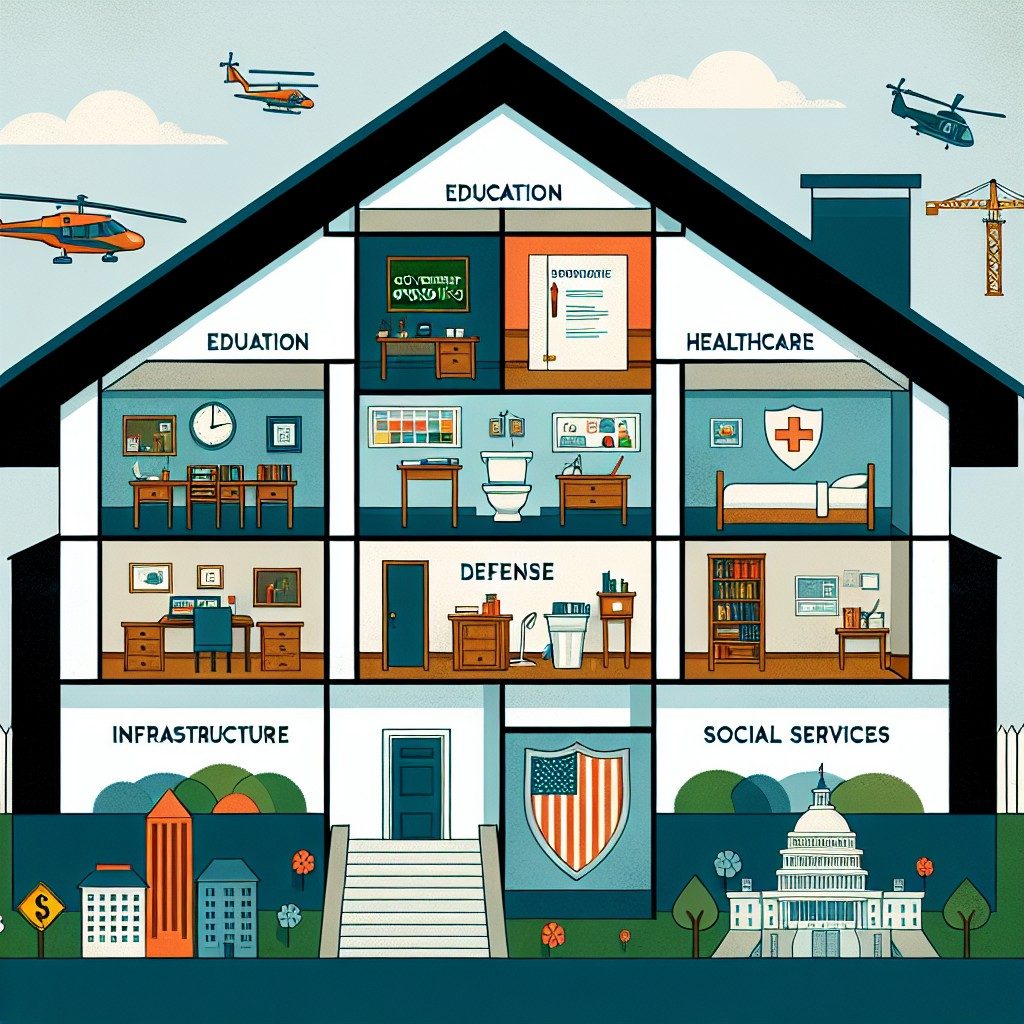
Government spending refers to the total amount of public funds used by a government to provide goods, services, and transfer payments within a given period. This includes investments in infrastructure, healthcare, education, social programs, defense, and interest payments on debt. Because public budgets are finite and sourced largely from taxation, shifts in spending priorities can signal changes in policy focus and economic direction.
How changes in government spending affect household finances
When governments adjust their spending, households often feel the impact indirectly. For example, increased expenditure on social welfare programs can result in enhanced support for low-income families. Conversely, cuts in government spending might lead to reduced benefits or higher out-of-pocket expenses. Additionally, government investment in public services like transportation or education can affect household budgets by altering costs or employment opportunities. Therefore, shifts in government spending have tangible effects on economic security and quality of life.
The role of government spending in economic stability
Government spending plays a pivotal role in stabilizing the economy. During economic downturns, increased spending can stimulate demand by funding public works or social assistance, helping to sustain household income levels. Conversely, during periods of inflationary pressure, governments may curtail spending to cool the economy. These fiscal policies impact household spending power and can influence employment rates, inflation, and overall economic growth.
The implications of recent budget shifts
Recent changes in government spending have targeted sectors including healthcare, education, and infrastructure. For households, increased healthcare spending may lead to improved access to medical services and reduced personal healthcare costs. Investment in education can enhance educational outcomes, potentially increasing future earning potential for families. Infrastructure spending often creates jobs and improves public amenities, indirectly benefiting household living standards. However, these benefits may be offset if governments finance increased spending through higher taxes, which can reduce disposable income.
Monitoring government spending for household planning
Households that keep informed about government spending trends can better anticipate changes in taxation, public service availability, and economic conditions. Awareness of budget priorities allows families to adjust financial planning accordingly, whether that involves anticipating changes in social benefits, preparing for tax adjustments, or assessing employment prospects. Resources from established institutions, such as the International Monetary Fund and news outlets like BBC Business, provide reliable information on government spending data worldwide.
Conclusion
Government spending serves as a vital instrument of economic management with direct and indirect effects on households. Budget shifts reflect broader policy objectives and economic realities, influencing public services, taxation, and social welfare. As governments navigate fiscal challenges, continued monitoring and analysis of spending patterns will remain essential for households seeking to understand and adapt to these changes. Looking ahead, transparent government spending decisions and informed public discourse will be key to aligning national priorities with household well-being.
Frequently Asked Questions about government spending
What is government spending?
Government spending refers to the total public expenditure by governmental bodies on goods, services, and transfer payments such as social benefits and infrastructure.
How does government spending affect household budgets?
Government spending can influence household finances through changes in taxes, availability of public services, social welfare programs, and employment opportunities.
Why do governments adjust their spending?
Governments adjust spending to respond to economic conditions, fund priorities like healthcare or defense, and manage fiscal balance or stimulate economic growth.
Where can I find trustworthy information about government spending?
Reliable information on government spending is available from international organizations such as the International Monetary Fund and global news agencies like the BBC.
Can changes in government spending impact inflation?
Yes, increased government spending may raise demand and contribute to inflation, while reduced spending can help control inflationary pressures.