Romania is progressively embracing the concept of smart cities as urban areas seek to adopt digital services to improve the quality of life for residents. By integrating technology into urban infrastructure, Romanian cities aim to streamline public services and enhance sustainability.
The Rise of Smart Cities in Romania
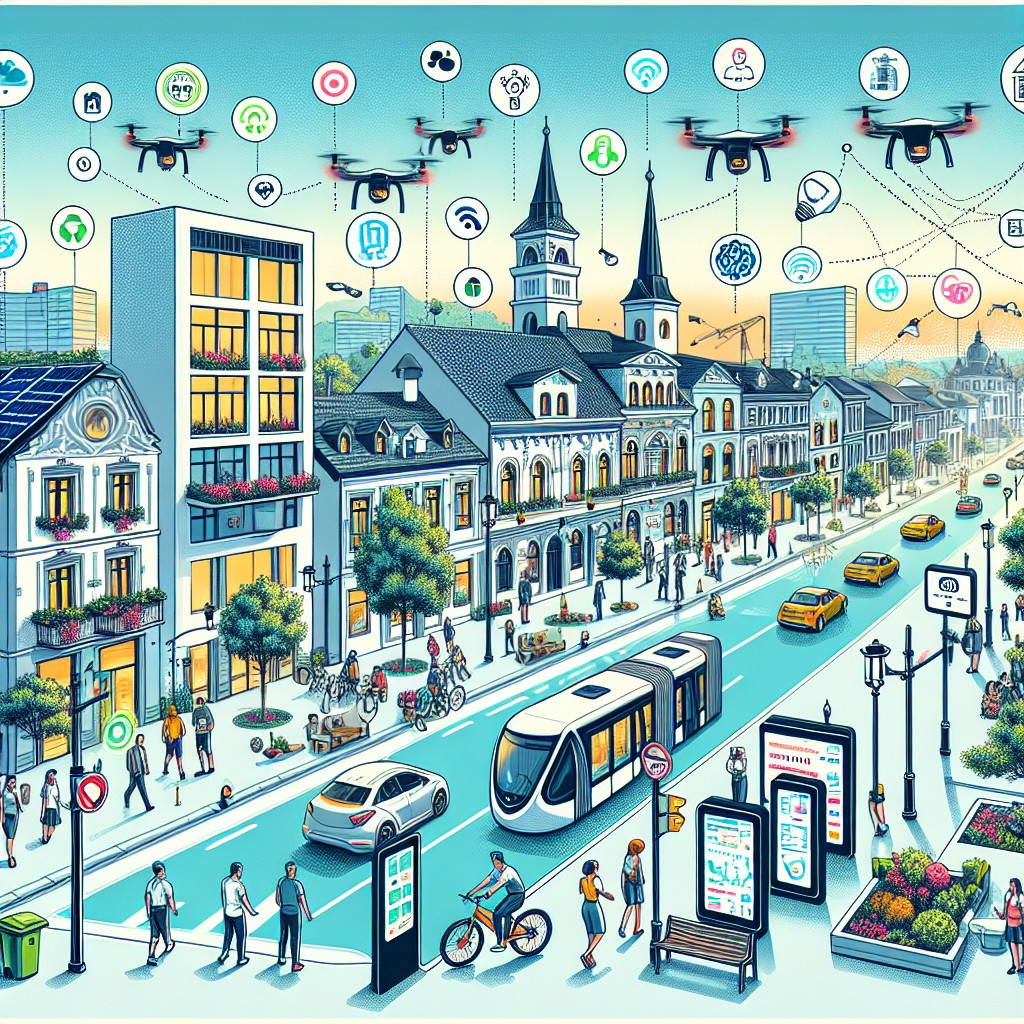
Over the past decade, several Romanian cities have initiated projects that leverage information and communication technology (ICT) to become smart cities. Bucharest, Cluj-Napoca, and Timisoara are among the frontrunners implementing digital platforms to optimize traffic management, waste collection, and public safety. The government and local administrations are increasingly investing in IoT devices and data analytics that allow real-time monitoring and faster decision-making, aiming to reduce inefficiencies and improve citizens’ daily experiences.
Digital Services Streamlining Urban Life
The adoption of digital services in Romanian cities has already led to noticeable improvements. For example, mobile applications now facilitate access to public transportation schedules, ticketing, and alerts on delays or disruptions. Additionally, online portals enable citizens to access municipal services such as paying bills, registering complaints, or requesting permits without the need for face-to-face interaction. These digital solutions simplify administrative processes, saving time and reducing bureaucracy.
Smart Mobility Initiatives
Traffic congestion remains a challenge in Romania’s growing metropolitan areas. To tackle this, smart cities are deploying sensors and traffic cameras to monitor vehicle flow and adapt traffic signals accordingly. These technologies are supported by apps providing real-time updates to commuters, helping them choose less congested routes. Furthermore, cities encourage sustainable transport by integrating electric vehicle charging stations and promoting shared mobility services, which are managed through centralized digital platforms.
Environmental Monitoring and Sustainability Efforts
Environmental sustainability is a key focus of România’s smart city developments. Sensors measuring air quality and noise levels are being deployed in urban centers, generating data that authorities use to implement targeted interventions. Smart waste management systems optimize collection routes and frequency based on real-time bin fill levels, reducing emissions and operational costs. These initiatives contribute to improved urban living conditions and align with European Union directives on environmental protection.
Challenges and Future Perspectives
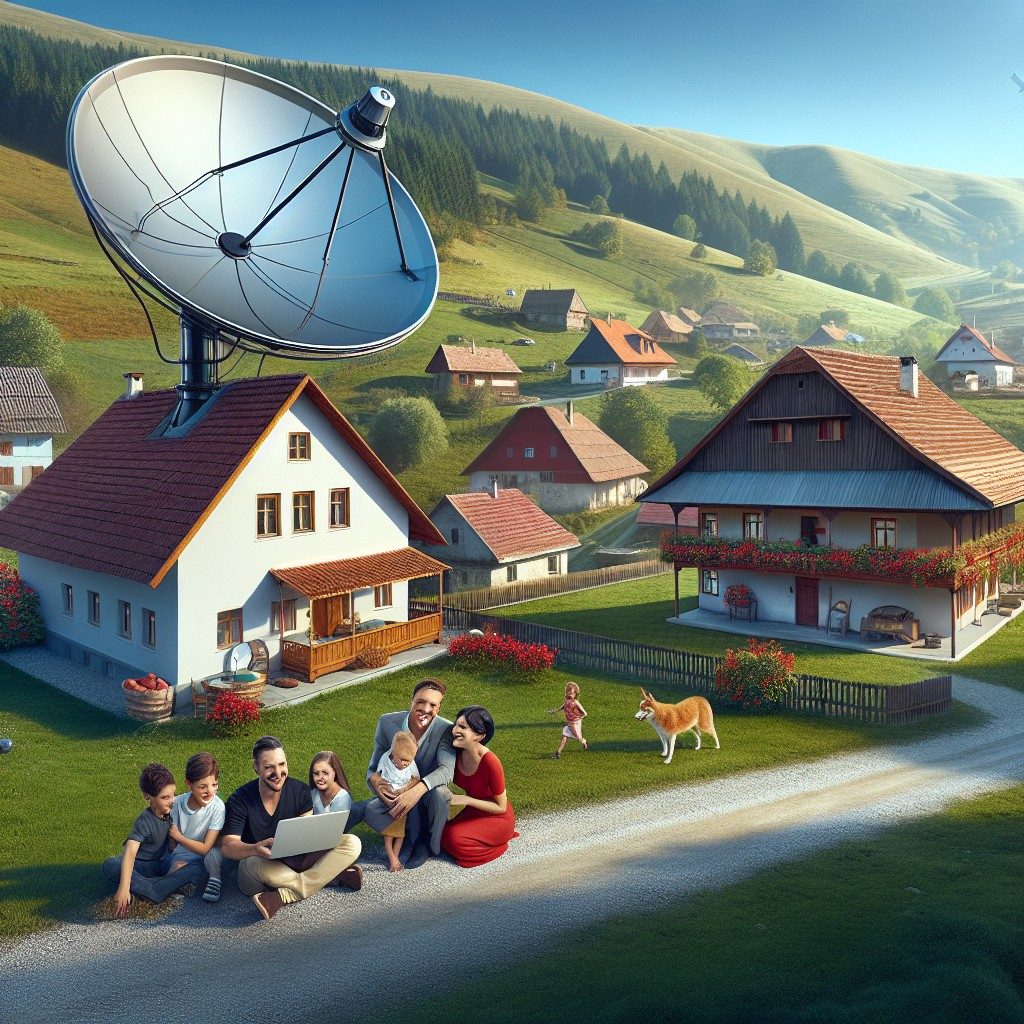
Despite progress, Romanian cities face challenges in implementing smart city solutions at scale. Issues such as funding limitations, the digital divide among populations, and data privacy concerns must be addressed to ensure inclusive and secure systems. Collaboration between public institutions, private companies, and research entities will be essential to overcome these barriers. The European Union’s support through funding programs also plays a crucial role in accelerating developments.
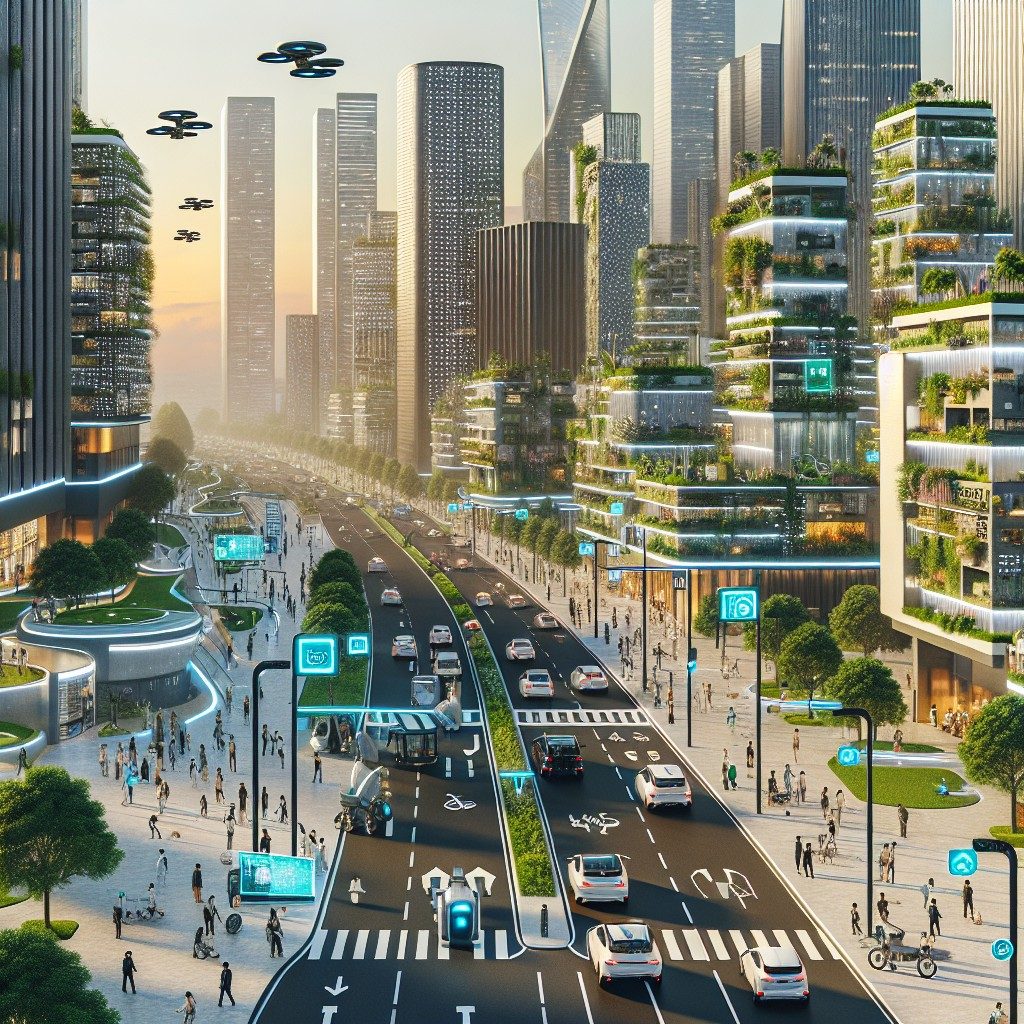
Looking ahead, the integration of advanced technologies like artificial intelligence and 5G networks will further enhance the functionality of Romanian smart cities. As adoption grows, digital services are expected to become more comprehensive, contributing to safer, greener, and more efficient urban environments.
Frequently Asked Questions about smart cities
What defines a smart city in the Romanian context?
A smart city in Romania integrates digital services and technology with urban infrastructure to improve public services, sustainability, and residents’ quality of life.
How are Romanian smart cities addressing traffic congestion?
Romanian smart cities use real-time traffic monitoring systems and adaptive signal controls, complemented by mobile applications that guide commuters toward less congested routes.
Are smart cities in Romania environmentally sustainable?
Yes, many Romanian smart city initiatives focus on environmental sustainability through air quality monitoring, noise measurement, and smart waste management systems.
What digital services are commonly used in Romanian smart cities?
Common digital services include online municipal portals, mobile apps for public transport, e-payment systems, and platforms for accessing various local government services.
What obstacles do Romanian smart cities face in their development?
Challenges include limited funding, ensuring equitable access to technology, maintaining data privacy, and the need for collaboration across public and private sectors to scale smart city solutions effectively.